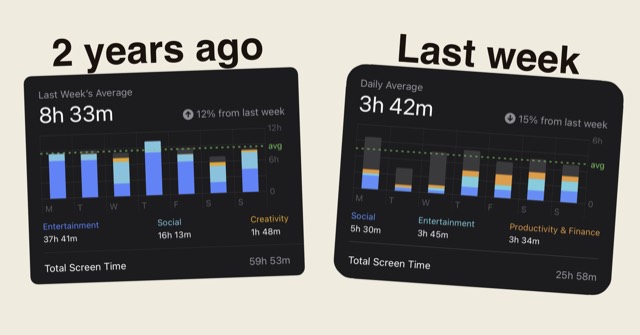
Social media lost us hours. Nobody is counting what AI cost us.
I was walking last week at night. I noticed in an open coffee shop that has eight out of ten people were on their phone, the other two were not, only because they are talking to each other.
From the 2002 when Friendster launched, until 2026. A whole new vocabulary emerged. Screen time. Doomscrolling. App blocker. Detox weekend.
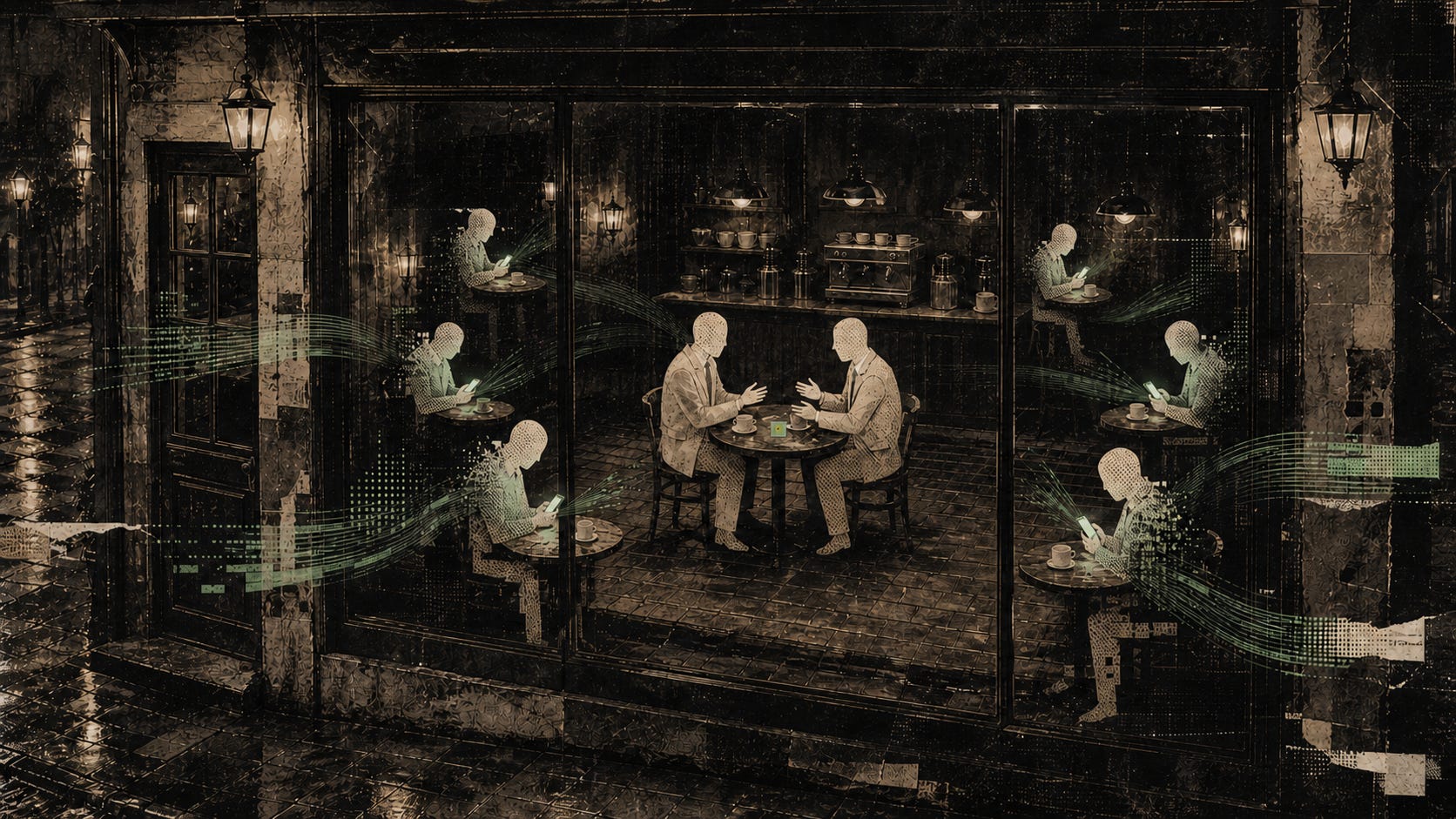
We gave this behavior a name and felt bad about it. Some of us actually cut back on it and it worked.
1. The addiction we all agree onResearcher studying social media use disorder, found that short-form feeds create a stopping problem. The more rewarding the next video feels, the harder it is to stop yourself to return to what you meant to do.
That’s why there is app blockers, detox weekends and screen time. All of these tools are a stopping mechanism to help you stop. To help you stop from losing your precious time in a place you don’t want spend 7 hours a day on.
Sam Altman, OpenAI CEO shared in this podcast on how he wanted to learn how does TikTok work while building Sora app. He got himself addicted to TikTok.
Social media stole our time with algorithm and psychology tricks. What’s AI stealing from us without us noticing? What’s taking from us that we can’t get back ? Are we even in control or is the same tricks are played on us ?
2. One is a loop, one is a doorSam wanted to learn, he ended up making himself addicting to it. He could tell it was bad, he tried to control it but he lost control again. He ended up deleting it all together.
You delete the app, you come back, you delete it again. That motion is what makes it visible. Relapse is the whole reason we can see it and give it a name for it.
You do not relapse into AI. You never go back, because there is nothing to go back to.
The task you give to AI doesn’t wait for you like the feed does, it stops being a thing you do. Then it stops being a thing you would think to do. The old way quietly leave you.
People were losing skills way before AI. We’ve been offloading things to technology and we are fine with it. In 370 BCE, Plato lamented that we would lose our memorizing skill, weaken our internal memory and ability to recall knowledge because of writing.
That is cognitive offloading, meaning using an external aid to reduce mental load while you still own the thinking. For example: writing a grocery list, using reminders or a phone call list.
You used to know thirty numbers by heart, now you know two and you never decided to stop memorizing them. You did lose those skills, but we are okay with them because most of the time we do have access to jotting down ideas.
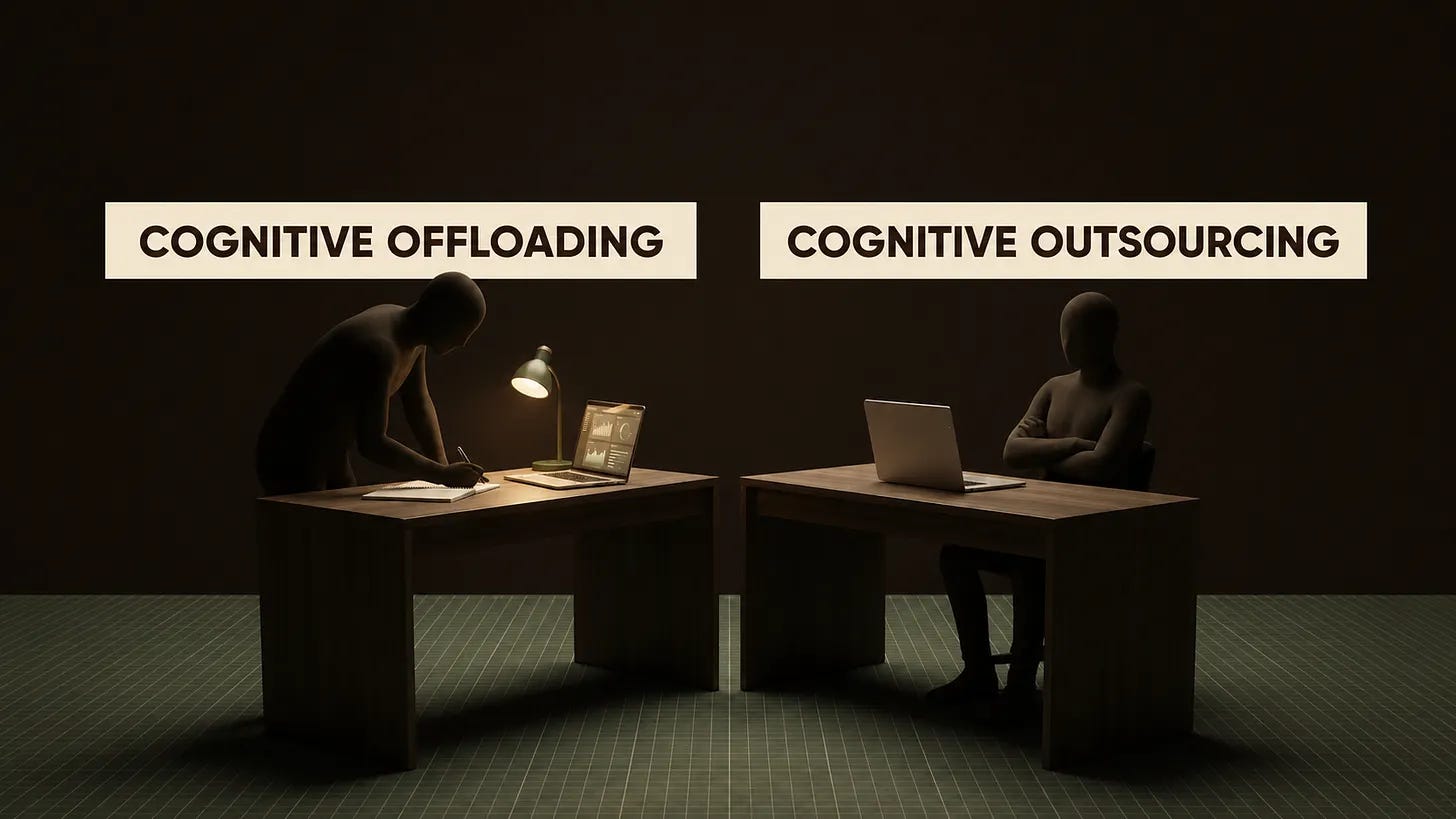
Those skills are fine to lose, since it was just storage. This one is different, because what goes through is the judgment and the thinking itself.
With AI, you don’t have the cognitive offloading. But most of the time you are doing cognitive outsourcing. Outsourcing is when you hand a part of the thinking itself to another person or system.
Two years ago I would have filled a page with bad title ideas first. Now, I write in a text box and ten title ideas comes back at me.
Social media gives you unpredictable feedback. AI gives you a guaranteed answer, every time.
A loop needs bad sessions. Something has to make you want to leave. Here there isn’t one, so you never stop to ask whether you could.
3. The reach logRelief is not a disease. Every tool removes something unpleasant for us. That is what tools are for, and most of those trades are worth making.
The problem with these new tools is that nothing tells you what you will trade.
For this upcoming week, just keep it simple. Use one page name it. “The Reach Log”
Every time you open an AI model, write down the task you want to do first. One line. Keep it simple. Then use the model to power what you want to do and in the exact same way as you normally would do it. Do not use less of it.
Do not try to prove anything.
At the end of the week, take all the tasks you wrote down and place them in one of two columns:
I could still do this from a blank pageI could not do this from a blank page today
The first column is where the model is helping. The second is where you may have handed something over without noticing.
That does not make the second column bad. It only makes it visible. You can decide which trades were worth making and which abilities you want to keep.
I am still figuring this one out. If you try it, I would love to know what ends up in your second column.
— Youssef